
· 6 min read
Disco Grubs is live: what happens when every hit lands on the beat
Disco Grubs is out now on Stake.com under THUGGER. A look at beat-synced feedback, and why a familiar cast on a new dancefloor works better than either on its own.
Disco Grubs is now live and playable on Stake.com.
It is the newest title published under the THUGGER label, and built to order here. We flagged it as coming soon a few updates back. It has since cleared publication review and shipped.
The setting is a 1970s dancefloor. A mirrorball turns overhead, a spotlight drops through the dark onto the floor, and the tiles underneath sit lit in hard colour. The cast is the one players already know: the Grubs, back from Grubs and Grubs & Co., moved out of the pantry and the trenches and onto a dancefloor.
Every hit lands on the beat
Audio is usually the last thing to get attention in a slot game, and it shows. A backing loop runs underneath, the wins fire whenever they fire, and the two never meet. Disco Grubs is built the other way round. The music is the spine of the round, and every single hit is timed to the beat of it.
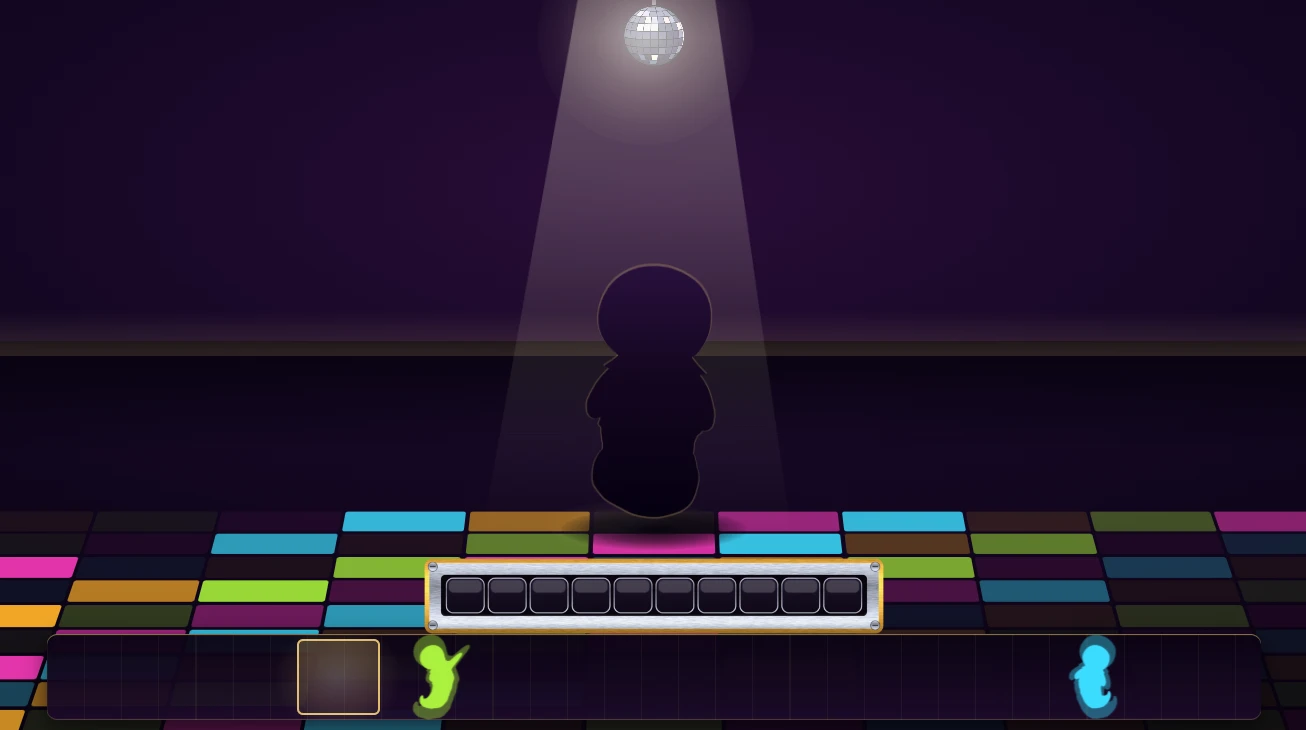
The groove does not stop between spins either. It keeps rolling through the round, so the player is never dropped back into silence to wait. That one decision changes the feel of the whole game. The round stops being a sequence of separate results and starts being one continuous piece of music the player is inside.
What that buys is the part worth paying attention to. When the feedback arrives on the beat, a spin that pays nothing still resolves like it meant something. It feels satisfying even to lose, and euphoric to win. That gap is the entire target THUGGER was aiming at, and going by how players have taken to it, the shot landed.
Nostalgia is not the same as repetition
A familiar theme on its own wears out fast. Disco has been done, and done flat: a mirrorball, some gold, a font from the right decade, nothing underneath it. A brand new mechanic on its own has the opposite problem. It can leave a player with nothing to hold onto while they work out what the game wants from them.
The pairing is what works. The Grubs cast is recognisable on sight, and the disco floor reads instantly to anyone who has seen a film set in that decade. That familiarity does the work of settling a player in. The rhythm underneath is then free to be the new thing, because it is the only thing asking for attention.
The rest of the THUGGER shelf
Disco Grubs brings the count to 17 titles built in this shop and live on Stake.com, across four client labels: THUGGER, Project Panic, Fortune Studios and Hardhaus Studios.
Under THUGGER alone there is Backstreets: Chapter One and Chapter Two, Ghost Gang and Ghost Gang: Underground, Grubs, Grubs & Co., Gemstone Hustlers, and now Disco Grubs. Backstreets: Asia went live in the same batch as this one. Backstreets: Egypt is still to come. The full catalogue has the lot, newest first.
Nine titles under one label is enough to see a house style forming. THUGGER keeps commissioning games that put a known cast somewhere it has not been, and asks for one mechanic in each that has not been felt before. It is a harder brief than reskinning a proven model. It also produces games that are worth talking about a month after release.
Building a beat-synced game for Stake Engine
Timing is the whole job on a game like this, and it is unforgiving. A win that arrives a fraction late reads as a bug even to a player who could not tell you why. If the music and the feedback drift apart over a long session, the effect the game is built on quietly dies.
So the timing gets tested the way the math gets tested. Every title we build goes through a hard pre-submission gate before it is sent for platform review, covering the things that actually fail: the maths, the legibility, the behaviour on a phone, and on this one, whether the hits still sit on the beat after the game has been running for an hour.
The commercial side is deliberately plain. We build custom slot games to order, quote a flat fee upfront, and take no revenue share and no royalties. The client publishes under their own label and keeps everything the game earns. Our name stays off the finished product. The Stake Engine slot development page sets out what a production run covers: math, art, motion, audio and the build that goes into review.
Common questions
What is a rhythm based slot game?
It is a game where the audio is structured rather than decorative. The music runs as a continuous track and the game's feedback is timed to sit on the beat of it, so wins land in time with what the player is already hearing. Done properly it makes the round feel like one piece rather than a string of unrelated results.
Does music actually change how a slot game feels?
Yes, and more than most people expect. Sound is what tells a player something happened, and when that arrives in time with the music it reads as intentional instead of arbitrary. It is the cheapest way to make a round feel finished, and the most commonly skipped.
How do I get a custom slot game built for my own label?
You need a publisher account on the platform and a studio that can build to review standards. We take the theme, the math, the art, the motion and the submission, and hand back a finished game you own outright. Send a brief through the contact form and we will come back with a flat quote.
Start a project
If you have a theme, a math target, or a track you cannot get out of your head, that is a starting point. Send it through the contact form and we will take a look.
18+. Play responsibly.